Gratis X Card-generator
Genereer de X (voorheen Twitter) Card-tags die bepalen welke titel, beschrijving en afbeelding worden weergegeven wanneer je pagina op X wordt geplaatst.
Uitvoer
Je X Card-tags:
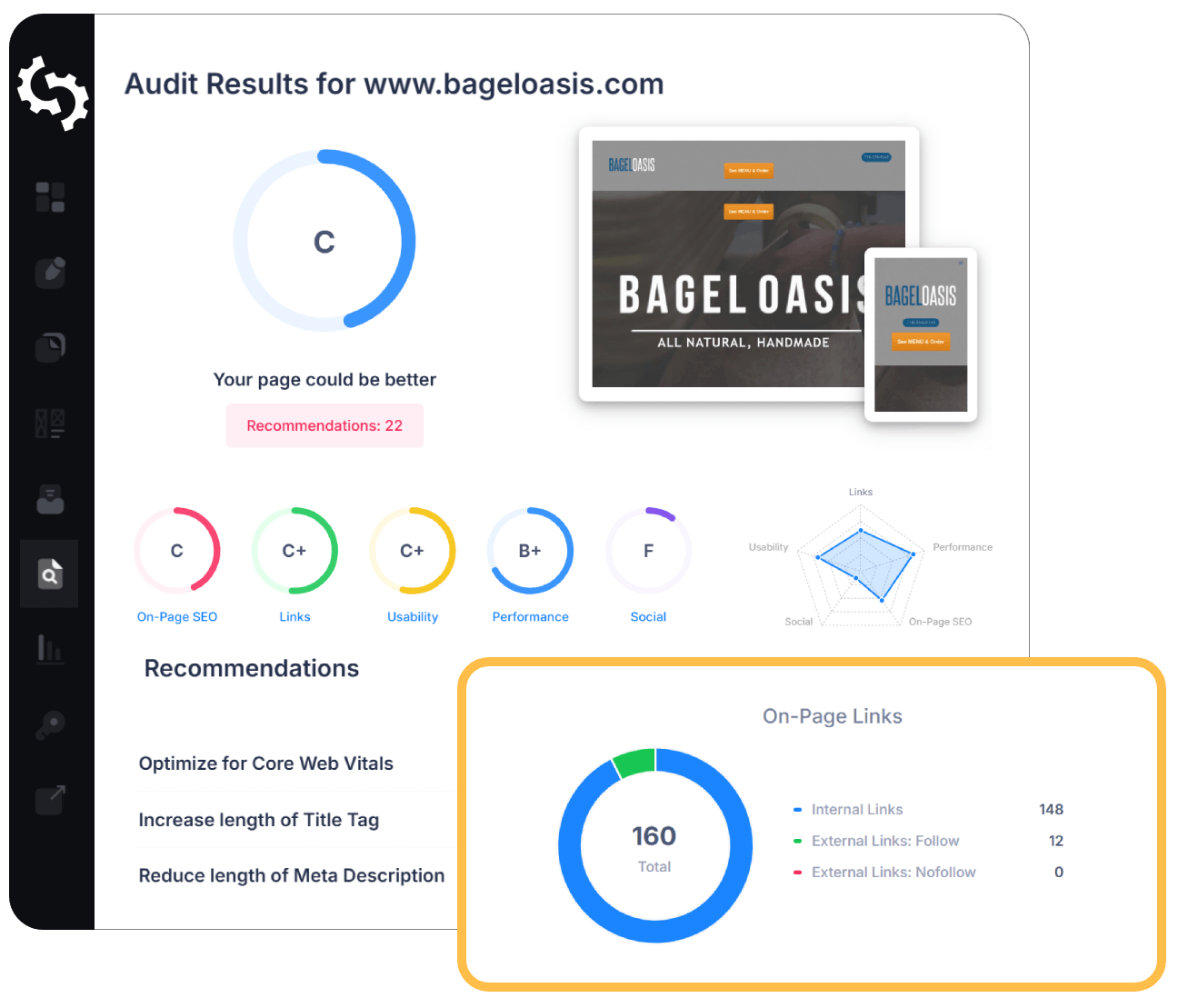
Voer in enkele seconden een SEO-audit uit voor elke website
+ Uitgebreide SEO-/GEO-tools voor elke functie
Voer meer dan 100 controles uit op je website op het gebied van On-Page SEO, gebruiksvriendelijkheid, prestaties, social media en links. Nu met GEO in elk rapport. SEOptimer biedt ook zoekwoordonderzoek, ranktracking, backlinkanalyse en een volledige sitecrawler.

Over X Cards
Wat een X Card is
Een X Card is het voorbeeldpaneel dat onder een bericht verschijnt wanneer iemand je link deelt: een afbeelding, een kop en een beschrijvingsregel, in plaats van alleen een URL.
De tags die dit genereren staan los van Open Graph, hoewel X terugvalt op Open Graph wanneer de eigen tags ontbreken. Beide instellen kost weinig moeite en voorkomt giswerk.
Het kaarttype is de belangrijkste keuze, omdat dit bepaalt hoeveel ruimte het bericht inneemt in een tijdlijn.
Een kaarttype kiezen
- summary_large_image - een afbeelding over de volledige breedte boven de tekst. De juiste standaard voor artikelen en landingspagina’s.
- summary - een kleine vierkante thumbnail naast de tekst. Geschikt voor korte updates en verzamelingen van links.
- player - voor audio en video die inline worden afgespeeld; hiervoor is goedkeuring vereist.
- app - voor het stimuleren van app-installaties.
De meeste sites hebben de eerste twee nodig en gebruiken de andere nooit.
Veelgemaakte fouten
- Een grote afbeeldingskaart declareren en er een afbeelding voor aanleveren die te klein is.
- twitter:site weglaten, waardoor niets de kaart aan je account toeschrijft.
- Een beschrijving die de kop woord voor woord herhaalt.
- Ervan uitgaan dat een wijziging onmiddellijk live is — X slaat kaarten soms een tijdje in de cache op.
- X-tags instellen en Open Graph overslaan, waardoor elk ander platform moet raden.
Wat de kaart waard is
Kaarten zijn geen rankingfactor. Hun waarde zit in de tijdlijn: een bericht met een kaart neemt meer ruimte in beslag en geeft een lezer iets om op te reageren, en het verschil in doorklikratio ten opzichte van een kale link is groot.
De afbeelding doet het meeste werk, waardoor het de moeite waard is om daar tijd aan te besteden in plaats van aan de tekst.
De X Card-generator gebruiken
Kies een kaarttype, vul de rest in en plak de tags in de head van de pagina. De @ voor gebruikersnamen wordt automatisch voor je toegevoegd als je die weglaat.
Stel ook Open Graph-tags in. Samen dekken ze alle plekken af waar waarschijnlijk een link wordt geplakt.
Waar je nu verder kunt gaan
Controleer wat live staat met de X Card-checker, dek de andere platforms af met de Open Graph-generator en controleer of je links naar sociale media-profielen vanaf de website gelinkt zijn.
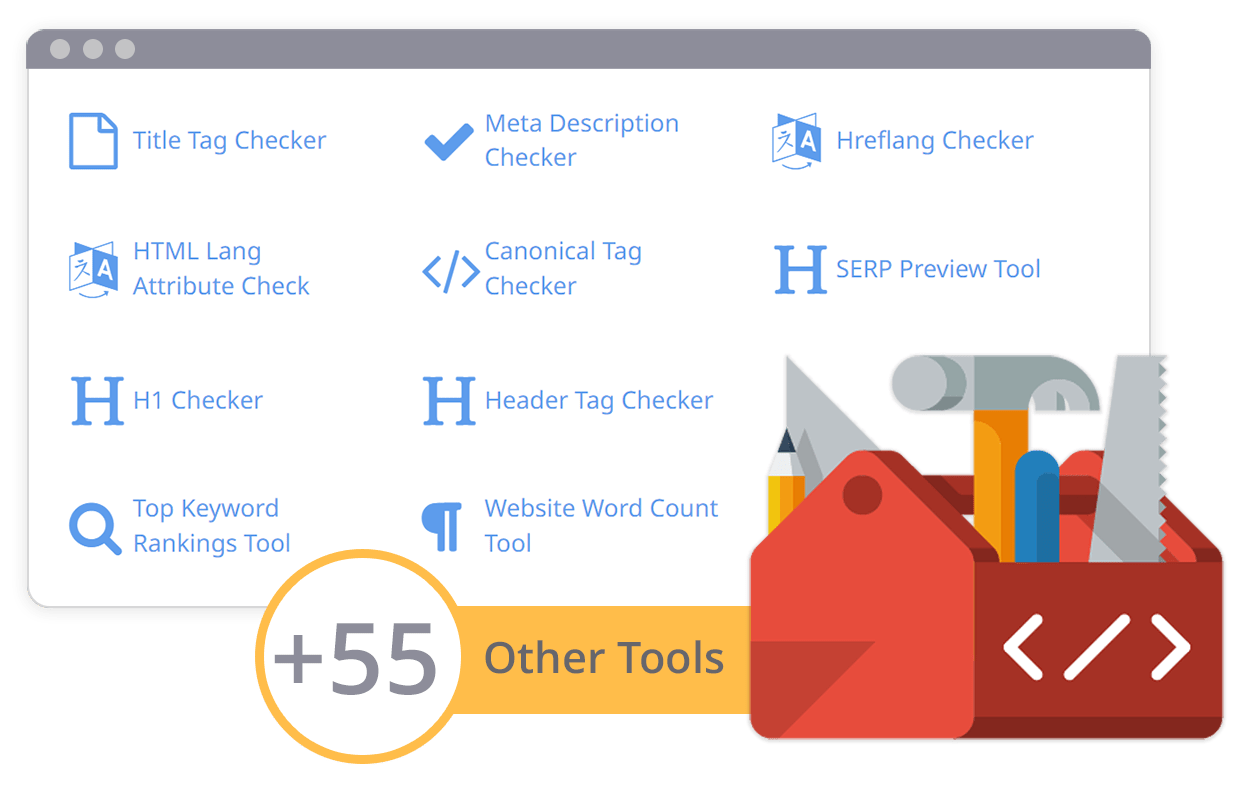
Uitgebreide SEO-toolbox met meer dan 55 tools
Controleer titels, metabeschrijvingen, koppen, Schema, Core Web Vitals, SSL en Robots.txt. Genereer metatags, sitemaps en .htaccess-regels, verklein CSS, JavaScript en HTML, en maak content met onze AI-schrijftools — direct en gratis.
Verder lezen
Meer Zien
Why are Social Media Links Important for Your Website?
If you’ve created a Facebook page or Twitter account for your business, chances are, you would've already linked to your website within yo...

Hoe je je CTR en SEO kunt verhogen
Wat Is CTR? CTR staat voor Click Through Rate, en wordt gedefinieerd als het percentage mensen dat op een zoekresultaat klikt nadat ze het h...

How to use Social Media Marketing to Promote Your Website
In this day and age, you’d be hard-pressed to find a business that doesn’t have a Facebook page. But if you’re simply posting on your social...