Über Keywords mit hohem Suchvolumen und geringer Konkurrenz
Was macht ein Keyword wettbewerbsarm?
Ein Keyword hat eine geringe Konkurrenz, wenn die bereits dafür rankenden Seiten schwach genug sind, um sie zu verdrängen. Dabei geht es um die bestehenden Wettbewerber und nicht um den Suchbegriff selbst. Deshalb können zwei ähnlich aussehende Begriffe an entgegengesetzten Enden der Skala liegen.
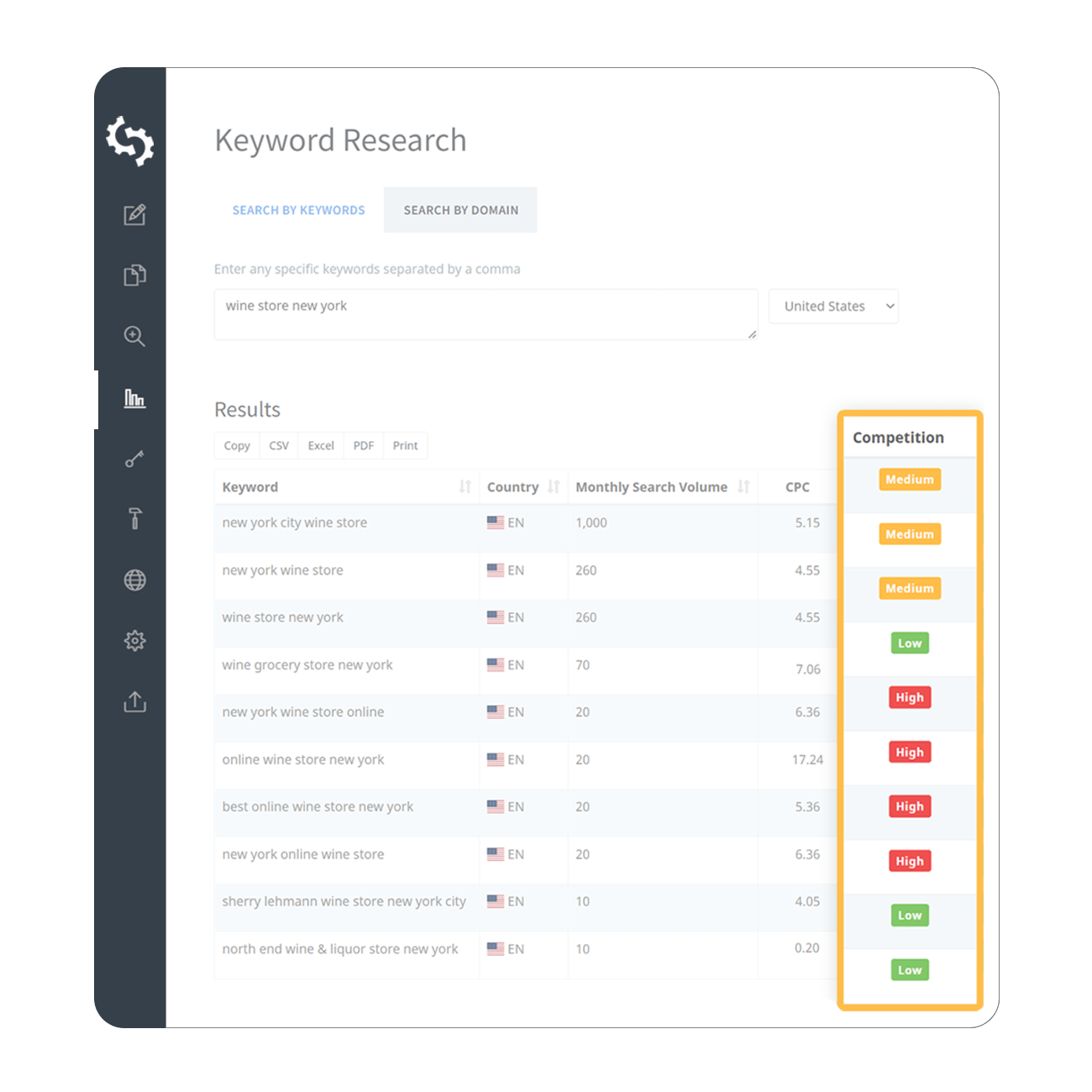
Der Schwierigkeitsgrad wird anhand der Stärke dieser Seiten auf einer Skala von 0 bis 100 bewertet, wobei vor allem die Größe und Qualität der dahinterstehenden Linkprofile entscheidend sind. Ein Wert unter 20 bedeutet im Allgemeinen, dass eine kompetente Seite auch ohne eine darauf ausgerichtete Linkbuilding-Kampagne eine echte Chance hat.
In Kombination mit einem Mindestvolumen ergibt sich daraus die nützliche Frage: nicht „Für welche Suchbegriffe könnte ich ranken?“, was eine lange und größtenteils wertlose Liste ergibt, sondern „Für welche Suchbegriffe könnte ich ranken, nach denen tatsächlich jemand sucht?“
Die Falle bei dieser Art von Liste
Die meisten Keywords haben aus einem ungünstigen Grund einen niedrigen Schwierigkeitsgrad. Niemand konkurriert um sie, weil es nichts zu gewinnen gibt – die Nachfrage ist winzig, die Suchintention unverbindlich oder die Suchanfrage wird auf der Ergebnisseite beantwortet, ohne dass ein Klick erforderlich ist.
Betrachten Sie einen niedrigen Score also eher als Aufforderung, genauer hinzusehen, und nicht als endgültiges Urteil. Die lohnenswerten Keywords sind diejenigen, die leicht zu erreichen sind und trotzdem irgendwohin führen – und nur die zweite Hälfte davon ist in den Zahlen sichtbar.
Die schnellste Plausibilitätsprüfung ist der Cost-per-Click. Wenn Werbetreibende für einen Begriff bezahlen, hat jemand festgestellt, dass der Besuch Geld wert ist. Wenn überhaupt niemand darauf bietet, sollten Sie ehrlich einschätzen, was Ihnen ein Ranking einbringen würde.
Auswahl der beiden Schwellenwerte
Die Standardwerte – mindestens 100 monatliche Suchanfragen und ein Schwierigkeitsgrad von höchstens 20 – sind bewusst konservativ gewählt und dienen eher als Ausgangspunkt denn als Empfehlung.
- Erhöhen Sie das Mindest-Suchvolumen, wenn die Liste lang ist und viele Begriffe enthält, nach denen niemand sucht.
- Senken Sie es, wenn ein eng gefasstes oder spezialisiertes Ausgangskeyword fast keine Ergebnisse liefert.
- Erhöhen Sie den maximalen Schwierigkeitsgrad, wenn Ihre Website bereits über entsprechende Autorität verfügt.
- Senken Sie ihn bei einer neuen Website mit wenigen Links auf etwa 10, da 20 hier möglicherweise noch zu optimistisch ist.
- Ändern Sie jeweils nur einen Wert, damit Sie erkennen können, welcher Regler das Ergebnis verändert hat.
Ein leeres Ergebnis ist eine Information und kein Fehler. Es bedeutet, dass die von dir beschriebene Lücke rund um diesen Ausgangsbegriff nicht existiert – und normalerweise ist der Ausgangsbegriff das, was du ändern solltest.
Funktionieren Keywords mit geringer Konkurrenz auch im Jahr 2026 noch?
Sie bleiben der zuverlässigste Weg für eine Website ohne Autorität, denn die Alternative – um die Begriffe zu konkurrieren, die jeder haben möchte – wird größtenteils durch Links und das Alter der Website entschieden, und beides lässt sich nicht schnell aufbauen.
Was sich geändert hat, ist die Obergrenze. KI-Zusammenfassungen übernehmen die einfachsten Informationssuchen – genau dort, wo viele Keywords mit geringem Schwierigkeitsgrad liegen. Die am einfachsten zu rankenden Keywords sind also auch diejenigen, die am ehesten ohne Besuch beantwortet werden.
Dadurch verlagert sich der Wert hin zu spezifischen, praxisnahen Begriffen: Vergleiche, Entscheidungen und Aufgaben mit einem konkreten Ergebnis. Diese lassen sich schwerer durch Zusammenfassungen ersetzen und sind in der Regel diejenigen, die einen Cost-per-Click-Wert aufweisen.
Die Liste in Seiten umwandeln
Gruppiere, bevor du schreibst. Ein Dutzend Keywords mit geringem Wettbewerb sind oft eine einzige Seite aus zwölf verschiedenen Blickwinkeln betrachtet. Zwölf dünne Seiten zu veröffentlichen, um sie alle abzudecken, verteilt das Signal und hilft keiner davon.
Lass das Keyword die Seite bestimmen und nicht umgekehrt. Ein Vergleichs-Keyword braucht einen Vergleich, ein How-to-Keyword braucht eine Anleitung. Diese Übereinstimmung ist entscheidend dafür, dass ein leicht zu rankendes Keyword tatsächlich leicht zu bedienen ist.
Beginne dort, wo du bereits etwas hast. Eine Seite, die einen relevanten Begriff teilweise abdeckt, ist dem Ranking näher als eine neue Seite, und ihre Verbesserung geht schneller, als von Grund auf neu zu schreiben.
Was dieses Tool prüft
Das Tool nimmt ein Ausgangs-Keyword und fragt unseren Index nach verwandten Keywords ab. Dabei werden nur diejenigen berücksichtigt, die das von Ihnen festgelegte minimale Suchvolumen und den maximalen Schwierigkeitsgrad erfüllen. Die Ergebnisse werden nach Suchvolumen sortiert, sodass die größte Chance, die beide Grenzwerte erfüllt, an erster Stelle steht.
Die Grenzwerte werden angewendet, während die Liste erstellt wird, und nicht auf eine bereits abgerufene Liste. Genau das macht das Tool so nützlich. Wird eine ungefilterte Liste allein nach Suchvolumen sortiert, bestehen die oberen Ergebnisse fast ausschließlich aus Keywords, die viel zu umkämpft sind, um Ihre Zeit wert zu sein.
Die Zahlen stammen aus unserem Index und nicht aus einer Live-Suche. Sie geben daher das Bild für diese Keywords und diesen Standort wieder, nicht die Ergebnisse, wie sie in diesem Moment tatsächlich aussehen.
Wie es weitergeht