Søgeordsstatistik
SEOptimer’s søgeordsstatistikværktøj rapporterer månedlig søgevolumen og dens tendens, pris pr. klik, annoncørkonkurrence, søgehensigt og sværhedsgrad for ethvert søgeord.
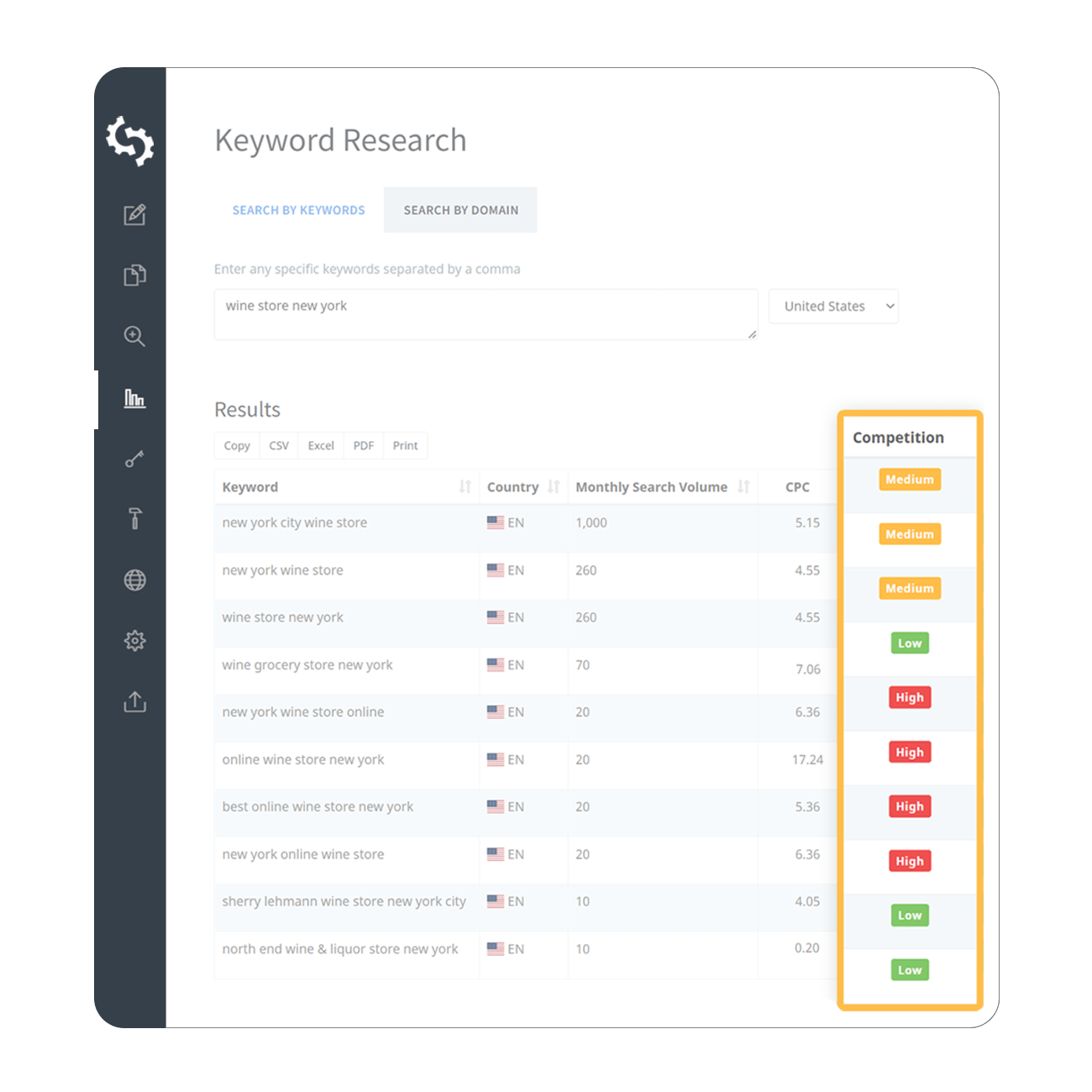
Find de søgeord, det er værd at rangere på, og se dem derefter flytte sig
Reel søgevolumen, CPC- og konkurrence data for ethvert marked, så du ved, hvilke søgefraser der er arbejdet værd, før du går i gang. Følg derefter dine placeringer dagligt på Google og Bing, på computer og mobil samt helt ned på byniveau for lokal søgning – med planlagte rapporter, der viser kunderne præcis, hvad der har ændret sig.

Om søgeordsstatistik
Hvad er søgeordsstatistik?
Søgeordsstatistik er de målinger, der er knyttet til et søgeord og ikke til en side, der konkurrerer om det: hvor ofte der søges på det, hvad annoncører betaler for det, hvad folk tilsyneladende ønsker, når de skriver det, og hvor stor konkurrencen i søgeresultaterne allerede er.
Samlet besvarer de et spørgsmål, der kommer før selve skrivningen: om et søgeord overhovedet fortjener en side. De fleste søgeordslister er langt længere, end nogen realistisk kan nå at arbejde med, og det er disse tal, der bruges til at skære listen ned.
En søgeordsstatistikkontrol er en vurdering af størrelsen. Den beskriver efterspørgslen og markedet omkring en søgefrase og overlader beslutningen om, hvad der skal publiceres, til dig.
Sådan læser du tallene samlet
Ingen enkeltstående tal afgør noget, og det nyttige signal ligger næsten altid i kombinationen. Søgevolumen uden søgehensigt fører til trafik, der aldrig konverterer; søgehensigt uden volumen fører til en side, som ingen finder.
Pris pr. klik er det mest direkte bevis på den kommercielle værdi på siden. Annoncører byder det, som en besøgende er værd for dem, så et søgeord med en beskeden volumen og et højt bud er ofte et bedre mål end et populært søgeord, som ingen er villige til at betale for.
Sværhedsgrad er adgangsprisen snarere end en egenskab ved søgetermen, så læs den til sidst. Den fortæller dig, hvad arbejdet vil koste, når de øvrige tal allerede har fortalt dig, om arbejdet er værd at udføre.
Hvad søgevolumen fortæller dig – og ikke fortæller dig
Den månedlige volumen er et gennemsnit, og gennemsnit skjuler variationer. En term, der søges intensivt på i seks uger om året og ignoreres resten af tiden, kan have samme månedlige tal som en term, der søges på jævnt hele året. Derfor er tendensen ved siden af tallet vigtigere end selve tallet.
Den tæller også søgninger i stedet for besøg. En betydelig andel af søgninger ender helt uden et klik, fordi brugeren får det ønskede svar direkte på resultatsiden, så søgevolumen sætter loftet for trafikken i stedet for at forudsige den.
En faldende tendens er ikke automatisk en grund til at opgive et søgeord. Det kan nogle gange være et tegn på, at et søgeord er ved at blive erstattet af en længere og mere specifik formulering, som det derfor er værd at finde frem til i stedet for at undgå.
Har søgeordsstatistikker stadig betydning i 2026?
De er vigtigere som en måde at vælge mellem termer på end som en prognose. Resultaterne er personaliserede og besvares i stigende grad direkte, så ethvert tal, der hævder at forudsige besøg, bygger mere på gæt end på målinger.
Det, de fortsat er pålidelige til, er sammenligning. Hvis der søges ti gange så ofte på ét begreb som på et andet, og det har dobbelt så høj en budpris, holder denne relation stik, selv når de absolutte tal ikke gør.
Det er også den ærlige grund til at foretrække et tjek af søgeordsstatistik frem for et estimat af trafik. Det rapporterer, hvad der er målt om begrebet, i stedet for at modellere, hvad der muligvis følger af det.
Sådan hænger søgeordsstatistik sammen med AI-søgning
AI-svar opsnapper de søgninger, der altid ville være endt uden et klik – definitioner, omregninger og hurtige fakta – hvilket flytter værdien af et søgeord væk fra søgevolumen og hen imod søgeintention.
Dette skift favoriserer søgeord, hvor den søgende stadig har brug for at komme et sted hen: for at sammenligne, købe, booke eller downloade. Det er typisk de søgeord, der har en reel pris pr. klik, hvilket gør denne kolonne mere nyttig, end den har været tidligere.
Læs statistikkerne med det i tankerne: Et informationssøgeord med høj volumen bør vurderes som et svagere mål, end volumen antyder, mens et mindre kommercielt søgeord bør vurderes som et stærkere mål.
Bedste praksis for søgeordsstatistik
- Vurder et søgeord ud fra volumen, søgeintention, pris og sværhedsgrad samlet – aldrig ud fra én enkelt faktor.
- Se på tendensen sammen med volumen, da et gennemsnit helt skjuler sæsonudsving.
- Betragt pris pr. klik som det tydeligste tilgængelige bevis på kommerciel værdi.
- Sammenlign søgeord inden for et emne; tallene siger meget lidt på tværs af irrelevante emner.
- Forvent, at søgevolumen overvurderer trafikken, fordi mange søgninger ender uden et klik.
- Gennemgå de søgeord igen, som du fravalgte for et år siden, da både efterspørgsel og konkurrence ændrer sig.
Hvad dette værktøj kontrollerer
Værktøjet til søgeordsstatistik slår søgeordet op i vores indeks og viser dets månedlige søgevolumen og seneste tendens, pris pr. klik og annoncørkonkurrence, den registrerede søgehensigt, sværhedsgradsscoren samt det gennemsnitlige antal backlinks og henvisende domæner for de sider, der aktuelt rangerer.
Den rapporterer de samme tal som vores kontrol af søgeordssværhedsgrad, arrangeret efter hvad et søgeord er værd i stedet for, hvad det ville koste at vinde. Brug den sortering, der passer til den beslutning, du står over for; det underliggende opslag er identisk.
Tallene kommer fra vores indeks og ikke fra en live-søgning, så de beskriver det billede, der er registreret for det pågældende søgeord og den pågældende placering, frem for det, en browser ville vise dig lige nu. Det gør dem velegnede til planlægning og sammenligning, hvilket er det, disse tal er beregnet til.
Hvad kan du gøre som det næste
Statistikker over en term, du allerede har i tankerne. Find flere kandidater, der kan analyseres med søgeordsgenerator, se hvilke af dem en konkurrent allerede rangerer på gennem konkurrentens søgeord-analyse, og tjek, hvordan den betalte side af den samme term ser ud med PPC-tjek.
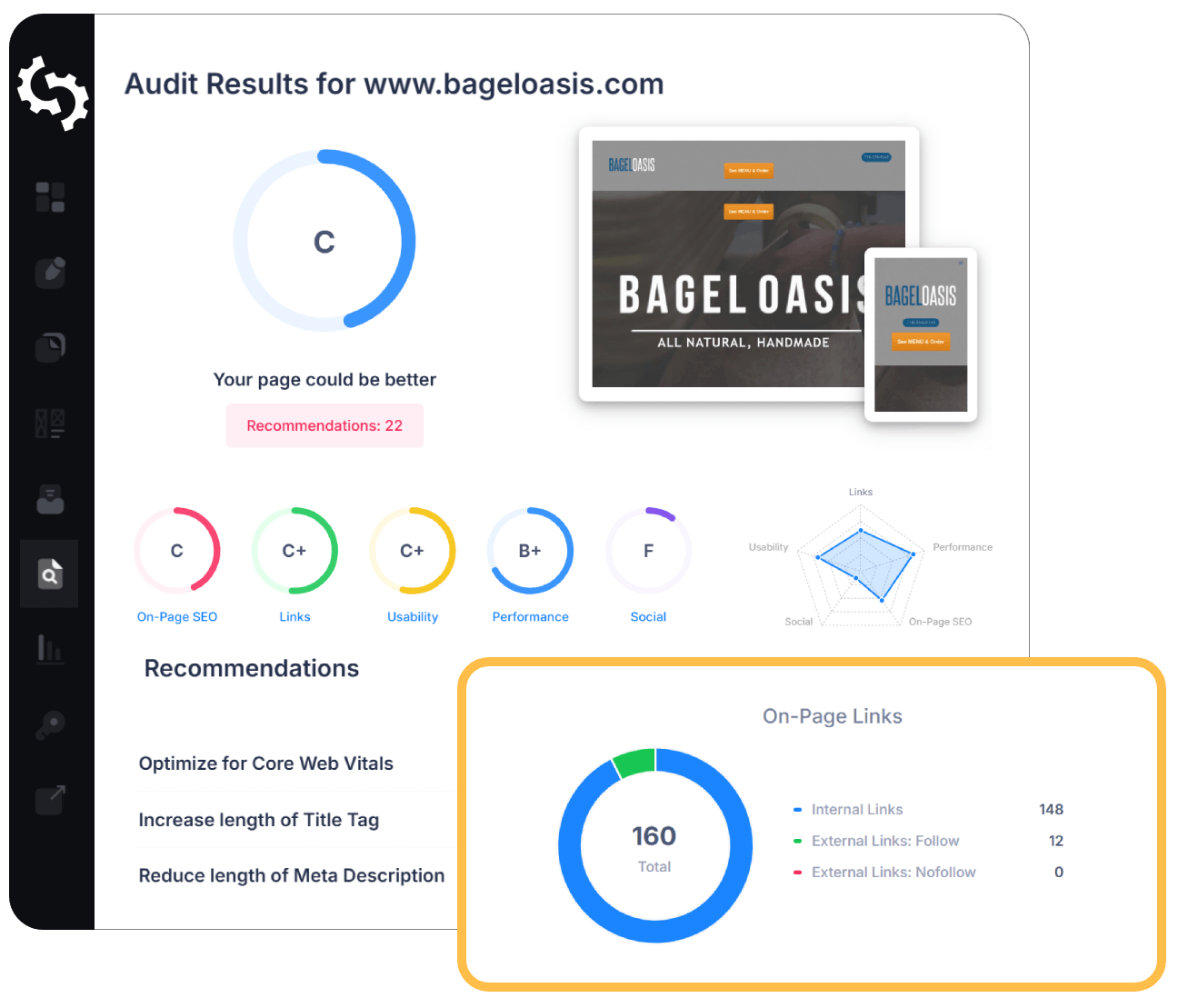
SEO-audit af ethvert website på få sekunder
+ Omfattende SEO-/GEO-værktøjer til alle funktioner
Kør over 100 kontroller af dit website inden for on-page SEO, brugervenlighed, ydeevne, sociale medier og links. Nu med GEO i alle rapporter. SEOptimer tilbyder også søgeordsanalyse, rangsporing, backlinkanalyse og en komplet webcrawler.
Yderligere læsning
Se Mere
5 Key Reasons Why Keyword Research is Important for SEO
Is keyword research still important for SEO? The answer to that question is a resounding yes!
Keyword research is the foundation o...

9 Popular Types of Keywords in SEO (and How to Use Each)
If you want to optimize your website for search engines, understanding the different types of keywords in SEO is quite important.
Us...

Long Tail vs Short Tail Keywords: What’s the Main Difference?
Many SEOs and marketers wonder what's the difference between long tail vs short tail keywords. Understanding the difference between these tw...

What are Seasonal Keywords and How to Find the Top Ones in Your Niche
Seasonal keywords offer a unique opportunity to tap into moments when consumer intent is at its highest.
By targeting event-driven k...

How to Find Trending Keywords for SEO (8 Top Ways)
So you want to learn how to find trending keywords? These types of SEO keywords not only help you stay relevant but also allow you to captur...

What are High Intent Keywords & How to Use Them in SEO
Understanding and leveraging high intent keywords is paramount to driving targeted traffic and increasing conversions. These keywords are th...