Checker voor wie naar mijn website linkt
Ontdek wie naar jouw website linkt. De gratis tool van SEOptimer geeft een overzicht van de websites die naar jou linken, de pagina’s waarnaar ze het vaakst linken en de ankerteksten die ze gebruiken.
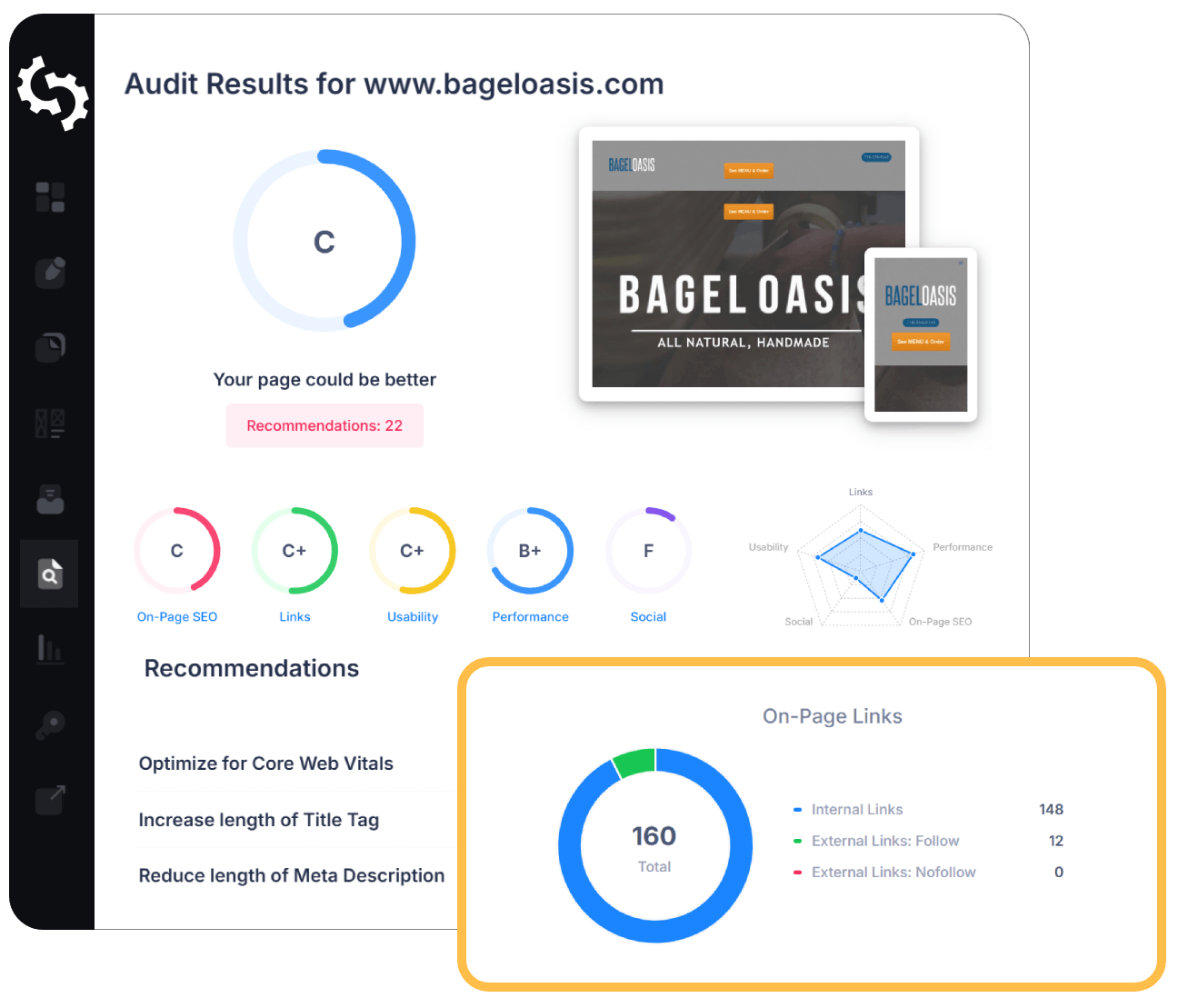
Voer in enkele seconden een SEO-audit uit voor elke website
+ Uitgebreide SEO-/GEO-tools voor elke functie
Voer meer dan 100 controles uit op je website op het gebied van On-Page SEO, gebruiksvriendelijkheid, prestaties, social media en links. Nu met GEO in elk rapport. SEOptimer biedt ook zoekwoordonderzoek, ranktracking, backlinkanalyse en een volledige sitecrawler.

Inzicht in sites die naar u linken
Welke sites linken naar u?
Niemand hoeft je te vertellen wanneer ze naar je site linken. Dus tenzij iemand je een e-mail stuurt om dat te zeggen, kun je daar alleen achter komen door er zelf naar te zoeken. Dat is precies wat deze tool doet: voer een domein in en de tool geeft een lijst met sites die ernaar verwijzen.
De daadwerkelijke lijst bekijken is belangrijker dan alleen een getal zien. Honderd links vanuit één directory en honderd links vanuit honderd verschillende publicaties leveren hetzelfde hoofdcijfer op, maar betekenen totaal verschillende dingen. Alleen de lijst laat je zien welke van de twee situaties op jou van toepassing is.
Het werkt voor elk domein, niet alleen voor je eigen domein, waardoor dit de snelste manier is om te zien waar een concurrent vermeldingen krijgt die jij niet krijgt.
Backlinks, verwijzende domeinen en pagina's met links
Een link naar je website is wat de branche een backlink noemt. Vanuit het oogpunt van de website die de link plaatst, is het een gewone link; pas vanaf de ontvangende kant wordt het een ‘backlink’. Dus ‘wie linkt naar mijn website?’ en ‘wie heeft mij backlinks gegeven?’ zijn twee manieren om dezelfde vraag te stellen.
Waar de formulering belangrijk begint te worden, is bij het tellen, omdat drie termen losjes door elkaar worden gebruikt terwijl ze daadwerkelijk verschillende dingen betekenen:
- Backlink - één afzonderlijke link die naar je site verwijst.
- Verwijzend domein - één website die naar je verwijst, ongeacht hoe vaak die dat doet.
- Linkende pagina - de specifieke pagina waarop de link staat.
Eén site kan vijftig keer naar je verwijzen, bijvoorbeeld via een link in de zijbalk op elke pagina. Dat zijn vijftig backlinks vanaf één bron, terwijl totalen in kopteksten dit vrolijk op één hoop gooien met vijftig afzonderlijke sites die elk één keer naar je verwijzen.
Verwijzende domeinen zijn doorgaans een eerlijkere maatstaf voor bereik, omdat ze unieke aanbevelingen tellen in plaats van herhalingen van één aanbeveling. Een profiel met tienduizend backlinks van veertig domeinen heeft een beperktere voetafdruk dan vierhonderd backlinks van driehonderd domeinen.
Deze tool toont de websites. Dit is de weergave van verwijzende domeinen: het beantwoordt de vraag van wie, niet hoe vaak.
Waarom het belangrijk is wie naar je linkt
Backlinks blijven een van de sterkste signalen voor zoekmachines om te bepalen of een website het tonen waard is, omdat ze het enige zijn wat een website zichzelf niet zomaar kan geven. Iemand anders moet beslissen dat je het waard bent om naar te verwijzen.
Daarom is de herkomst belangrijker dan het totaal. Een link van een gerespecteerde website binnen jouw vakgebied heeft een waarde die een linkfarm nooit zal hebben, en een profiel dat voornamelijk uit dergelijke links bestaat, kan actief tegen je werken.
Als u de lijst kent, weet u ook wat u moet beschermen. Relaties die een goede link hebben opgeleverd, leveren vaak meer links op. Een redesign dat ongemerkt de pagina’s waarop die links verwijzen verbreekt, is een kostbare fout die maandenlang onopgemerkt kan blijven.
Waar u op moet letten in de lijst
Bij het doornemen van de lijst zijn vijf dingen het controleren waard:
- Of de linkende websites websites zijn waarmee u graag geassocieerd zou worden.
- Hoeveel verschillende domeinen er zijn, in plaats van hoeveel links.
- Welke van uw pagina’s links aantrekken en of dat de pagina’s zijn die voor u belangrijk zijn.
- Of één enkele pagina het volledige profiel draagt, wat een kwetsbare positie is.
- Alles wat onverwacht is – onbekende domeinen in niet-gerelateerde talen verdienen een nadere blik.
Backlinks en AI-zoekopdrachten in 2026
De assistenten die tegenwoordig vragen beantwoorden, baseren zich sterk op pagina’s die al goed ranken, en backlinks vormen nog steeds een belangrijk deel van de reden waarom een pagina überhaupt goed rankt. Het verband is indirect, maar het is niet verdwenen.
Wat is veranderd, is dat brede vermeldingen nu ook bijdragen aan een tweede factor: hoe sterk een model een merk beschouwt als een echte, gevestigde entiteit. Consistente vermeldingen op gerenommeerde websites dragen daaraan bij, ongeacht of elke vermelding linkwaarde doorgeeft. Daarom is een vermelding zonder link niet langer waardeloos.
De praktische conclusie blijft hetzelfde: zorg voor vermeldingen op websites die mensen daadwerkelijk lezen. Dat is altijd de vorm van linkbuilding geweest die elke algoritme-update doorstaat, en het is ook de vorm die doorwerkt in AI-antwoorden.
Wat deze tool controleert
Voer een domein in en de tool rapporteert twee dingen op basis van de backlinkgegevens die we daarvoor hebben: de sites die ernaar linken en de pagina's van jou waarnaar ze het vaakst linken.
Het is een globaal beeld en geen volledige inventarisatie: geen enkele backlinkindex legt elke link op het web vast en geen enkele index is perfect actueel. Zie het als de structuur van een profiel, en niet als een exacte administratie.
Waar je nu verder kunt gaan
Voor het bredere profiel — totalen, verwijzende domeinen, de verdeling tussen dofollow- en andere links en de ankerteksten die mensen gebruiken — voer je de backlinkchecker uit. Controleer vervolgens of de pagina’s waarnaar wordt gelinkt een gezonde statuscode retourneren en ga na of niets dat het waard is om naar te linken, door een noindex-instructie buiten de resultaten wordt gehouden.
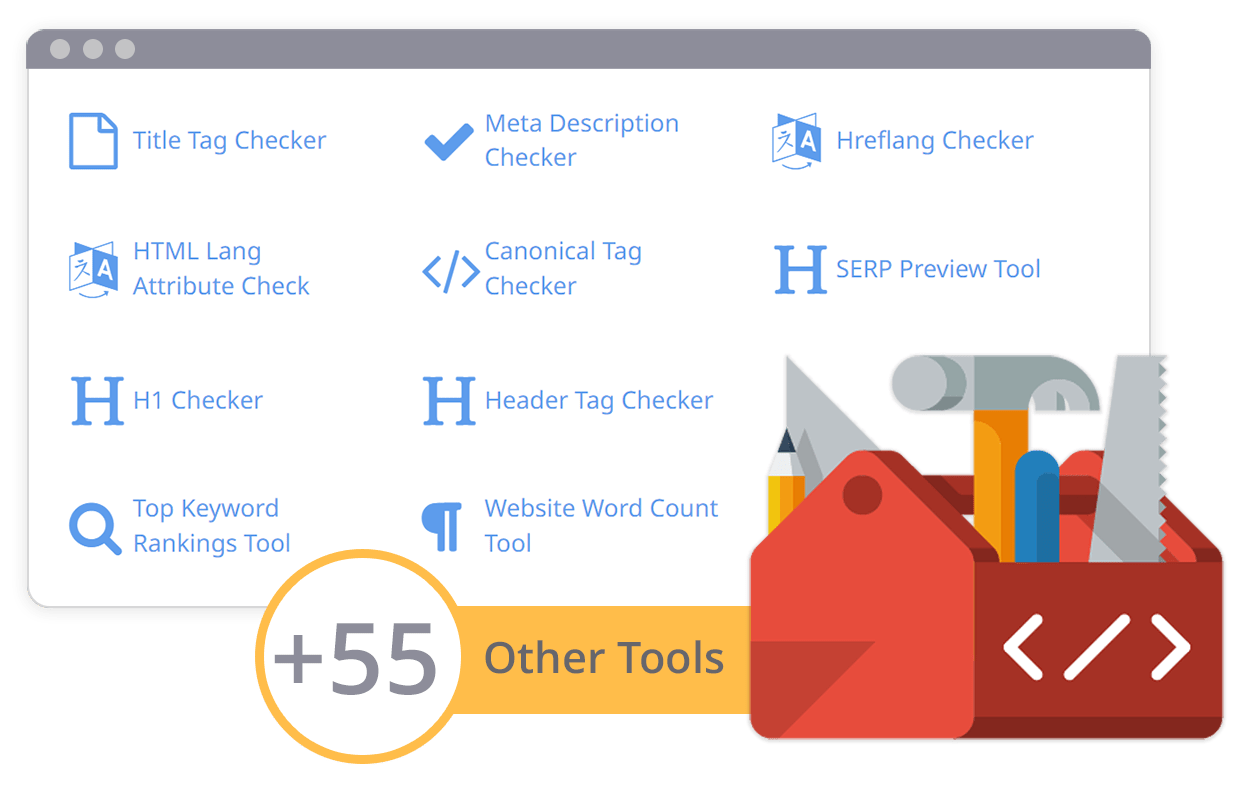
Uitgebreide SEO-toolbox met meer dan 55 tools
Controleer titels, metabeschrijvingen, koppen, Schema, Core Web Vitals, SSL en Robots.txt. Genereer metatags, sitemaps en .htaccess-regels, verklein CSS, JavaScript en HTML, en maak content met onze AI-schrijftools — direct en gratis.
Verder lezen
Meer Zien
What are Backlinks and How Do You Get Them?
Want to optimize your website’s SEO, in the hopes of ranking on the first page of Google? Then you’ve got to work on your backlinking stra...

Discover Backlinks: 5 Trusted Tactics to Uncover New Opportunities
Trying to rank for any keyword without a decent profile of backlinks to your site?
That's like trying to run for president without any...
Backlinks vs Referring Domains: Which is Most Important?
When it comes to search engine optimization (SEO), there are countless factors that influence a website's visibility and ranking.
Am...

How to Write SEO-Friendly Backlink Anchor Texts
With the release of Google's Penguin update a few years ago, webmasters need to consider their approach to creating backlink anchor texts....

How to Find Competitor Backlinks
People are constantly trying to hide their SEO secrets in order to preserve "so-called" rankings and SERP dominance.
We all want to hit...
What is Backlink Management: Tips, Tools, and Tactics for SEOs
Professional search engine marketers should know how to manage backlinks because a well-designed SEO backlink management strategy helps to k...