Herramienta de intención de búsqueda de palabras clave
La herramienta de intención de búsqueda de palabras clave de SEOptimer identifica qué buscan realmente los usuarios cuando utilizan una palabra clave —informativa, comercial, transaccional o de navegación— junto con su volumen, coste por clic y dificultad.
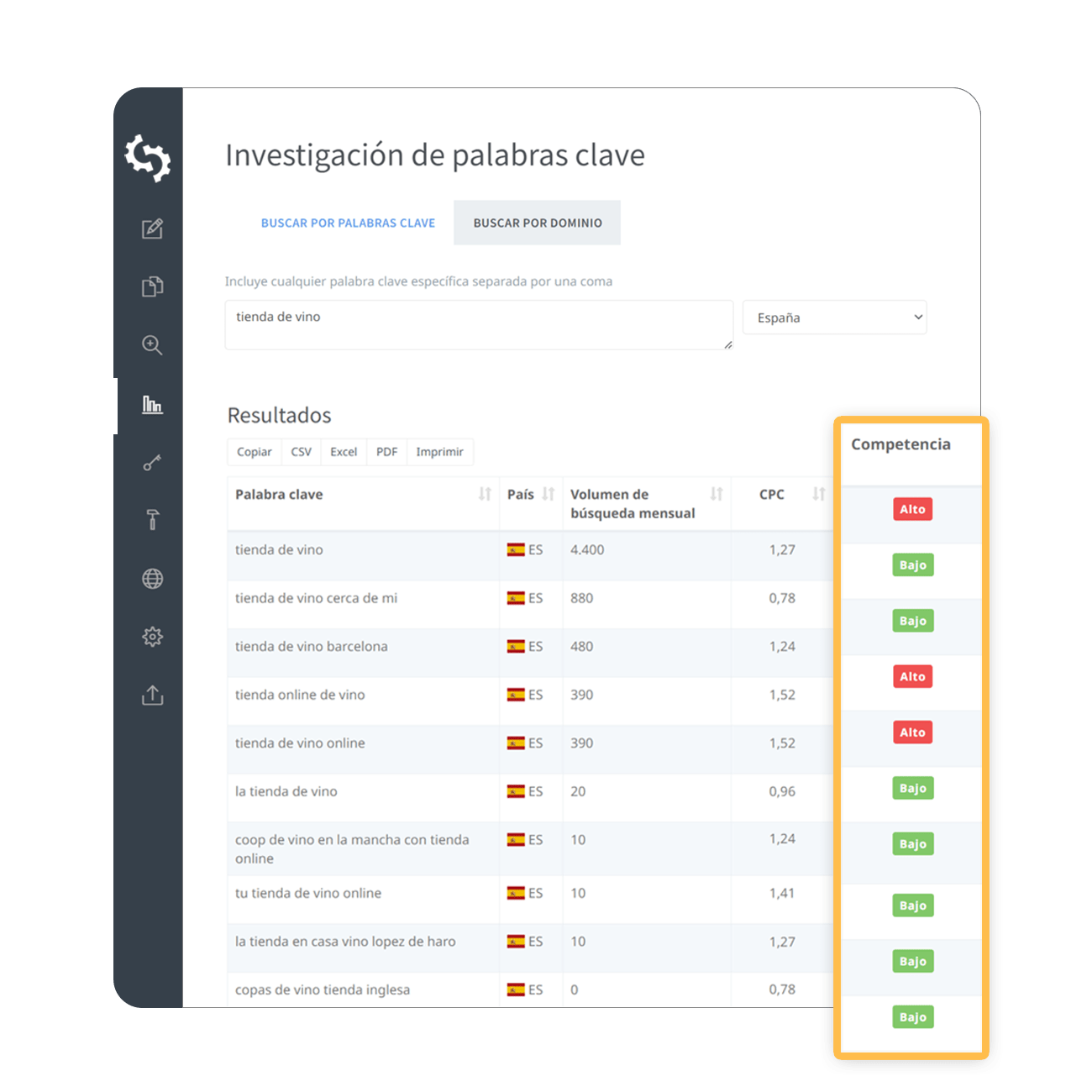
Encuentra las palabras clave por las que merece la pena posicionarse y observa cómo avanzan
Datos reales de volumen de búsquedas, CPC y competencia para cualquier mercado, para que sepas qué términos merecen la pena antes de empezar. Después, realiza un seguimiento diario de tus posiciones en Google y Bing, tanto en ordenadores como en dispositivos móviles, y hasta el nivel de ciudad para las búsquedas locales, con informes programados que muestran a los clientes exactamente qué ha cambiado.

Acerca de la intención de búsqueda de las palabras clave
¿Qué es la intención de búsqueda?
Los cuatro tipos de intención
- Informativa: alguien quiere entender algo. Guías, explicaciones y definiciones.
- Navegacional: alguien busca un sitio o una marca concretos y simplemente quiere llegar a ellos.
- Comercial: alguien está comparando antes de decidirse. Reseñas, comparativas y listas de los mejores.
- Transaccional: alguien está listo para actuar. Páginas de producto, precios, registro y reserva.
Cómo interpretar una palabra clave con una intención mixta
¿Sigue siendo importante la intención de búsqueda en 2026?
Cómo se relaciona la intención de búsqueda con la búsqueda mediante IA
Buenas prácticas sobre la intención de búsqueda
- Decide el tipo de página según la intención antes de escribir una sola palabra.
- Trata lo comercial y lo transaccional como intenciones realmente distintas: una compara y la otra compra.
- Da prioridad a la intención dominante y aborda las secundarias más abajo en la misma página.
- Evita orientar dos páginas a un mismo término, ya que eso divide la señal y no ayuda a ninguna de las dos.
- Ten en cuenta la intención antes que el volumen, ya que cada vez más términos informativos terminan sin hacer clic.
- Comprueba la intención de búsqueda de los términos para los que ya posicionas, no solo la de aquellos que tienes previsto trabajar.
Qué comprueba esta herramienta
Qué hacer a continuación
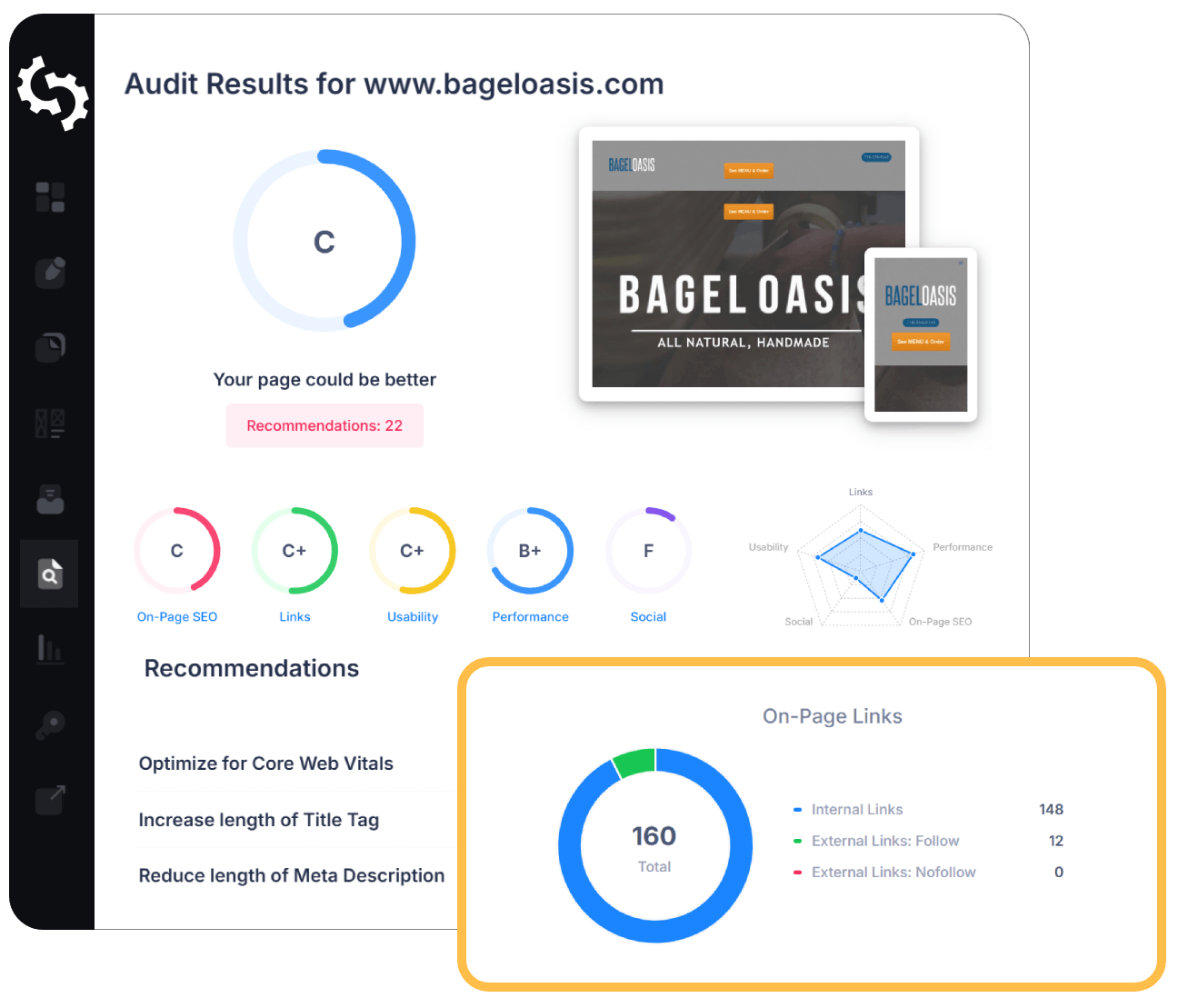
Audita cualquier sitio web con SEO en cuestión de segundos
+ Herramientas SEO / GEO completas para cada función
Realiza más de 100 comprobaciones en tu sitio web de SEO On-Page, usabilidad, rendimiento, redes sociales y enlaces. Ahora con GEO en todos los informes. SEOptimer también ofrece investigación de palabras clave, seguimiento de posiciones, análisis de backlinks y un rastreador web completo.
Más información
Más información