Facebook Pixel
SEOptimer’s Facebook Pixel Checker verifies the presence and functionality of the Facebook Pixel on your website.
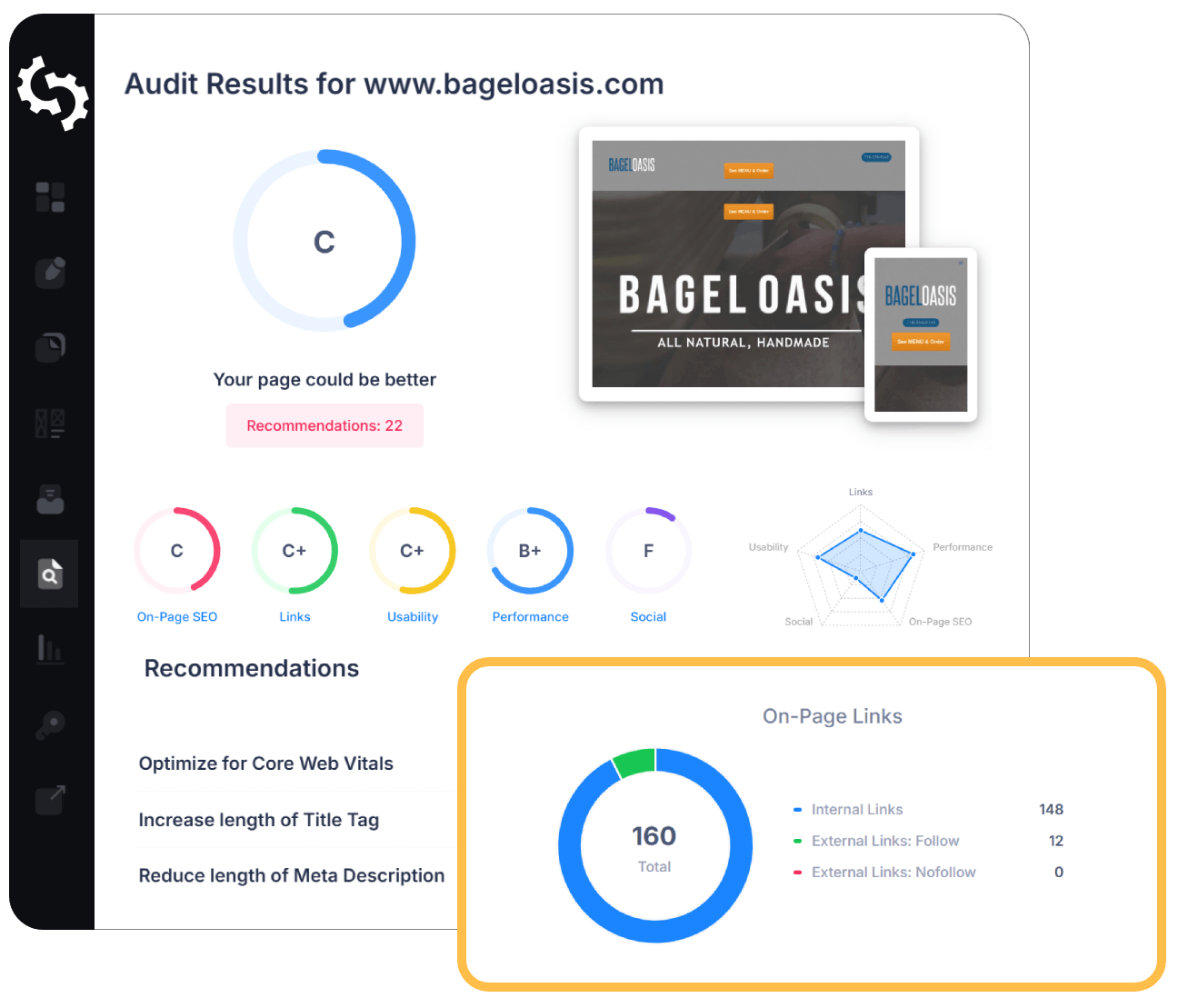
SEO Audit Any Site in Seconds
+ Comprehensive SEO / GEO Tools for Every Function
Run over 100 checks on your website across On-Page SEO, Usability, Performance, Social and Links. Now with GEO in every report. SEOptimer also offers keyword research, rank tracking, backlinks and a full site crawler.

About the Facebook Pixel
What is the Facebook Pixel?
The Facebook Pixel is a tracking script that reports visitor activity back to Meta, so advertisers can measure which ads produced results and build audiences for retargeting.
It is advertising infrastructure rather than an SEO feature, and it only earns its place if you actually advertise on those platforms. Installed without campaigns running, it is a load cost and a privacy obligation with nothing on the other side.
A Facebook Pixel test answers two questions worth knowing: whether the pixel you think is installed actually fired, and whether one you forgot about is still running.
Does the Pixel still matter in 2026?
It matters for advertisers, though it measures considerably less than it once did. Browser tracking restrictions, ad blockers and consent tooling mean a meaningful share of activity is never reported, which is why server-side tracking has become common among larger advertisers.
If you do not run Meta ads, the correct number of tracking scripts is zero. Each one costs load time, adds a request, and carries a disclosure obligation.
Auditing them periodically is genuinely worthwhile. Sites accumulate pixels for campaigns that ended years ago, and nobody removes what nobody remembers installing.
How tracking scripts relate to AI search
They contribute nothing to how a page is understood or cited. Their effect is purely on performance, and they are among the most common causes of slow, script-heavy pages.
Third-party scripts also fail in ways your own code does not, since they can be blocked, delayed or broken by changes you never see. That is a reliability cost as well as a speed one.
Fewer scripts is the reliable direction of travel for everything except the advertising you are actively running.
Tracking best practices
- Install it only if you are actively running ads on the platform.
- Load it through a tag manager so it can be removed without a deployment.
- Disclose it in your privacy policy and honour consent choices.
- Remove pixels belonging to finished campaigns.
- Avoid installing the same pixel twice through both a tag manager and the theme.
- Consider server-side tracking, which is more resilient and lighter on the page.
What this tool checks
The tool reports whether a Facebook Pixel is present on the page.
Neither result is inherently good or bad. It answers whether the pixel is installed, which is what you need when verifying a new setup or auditing what a site is quietly loading.
Where to go next
A pixel is one of several third-party scripts a page carries. See the full list with the technology check, measure what they cost with the page request and webpage file size tools.
Comprehensive SEO Toolbox with over 55 Tools
Check Titles, Meta Descriptions, Headings, Schema, Core Web Vitals, SSL and Robots.txt. Generate Meta Tags, Sitemaps and .htaccess Rules, minify CSS, JS and HTML, and draft copy with our AI Writing Tools - instantly and for free.