Informazioni sulla ricerca dei concorrenti PPC
Che cos'è la ricerca PPC?
La ricerca PPC consiste nel determinare per quali parole chiave vale la pena pagare e di solito parte da ciò che qualcun altro ha già deciso. Le parole chiave a pagamento sono i termini per i quali un sito fa offerte per comparire negli spazi pubblicitari sopra e sotto i risultati organici: acquistati anziché guadagnati e, pertanto, una dichiarazione diretta di ciò che un'azienda ritiene converta.
È questo che rende così informativo un elenco di concorrenti. Un posizionamento organico può essere accidentale; una spesa pubblicitaria sostenuta raramente lo è. Un'azienda che fa offerte sullo stesso termine mese dopo mese di solito ha già verificato se l'investimento si ripaga, e tu puoi beneficiare di quell'esperimento senza doverlo condurre.
Uno strumento gratuito di ricerca dei concorrenti PPC ti fornisce quell'elenco per qualsiasi dominio, senza bisogno di accedere all'account pubblicitario di nessuno.
Perché l'analisi dei concorrenti PPC è utile per la SEO
L'uso più ovvio è sapere cosa stanno facendo i concorrenti, ma quello più prezioso è la convalida. I termini per i quali un concorrente paga ripetutamente presentano un intento commerciale comprovato, ed è esattamente il segnale che il volume di ricerca, da solo, non può fornire.
L'analisi dei concorrenti PPC mostra anche dove la pubblicità a pagamento compensa una carenza del posizionamento organico. Un'azienda che fa molta pubblicità per termini per i quali è già posizionata sta solitamente difendendo una posizione; un'azienda che fa pubblicità per termini per i quali non ha alcuna presenza organica ti indica esattamente dove si trova il suo divario di contenuti, e forse anche il tuo.
Eseguendo il confronto sul tuo dominio, l’analisi si concentra su te stesso. I termini per cui paghi e per i quali ti posizioni anche al primo posto potrebbero non richiedere affatto quella spesa, mentre i termini per cui paghi senza alcuna presenza organica sono già un brief dei contenuti pronto per te.
Come interagiscono paid e organico nel 2026
I due canali competono per una quantità sempre più ridotta di spazio visibile. Annunci, unità Shopping e riepiloghi AI occupano ormai regolarmente la prima schermata, quindi la domanda pratica non è tanto «paid o organico», quanto quale dei due ti porta comunque above the fold.
Gli annunci sono inoltre in gran parte assenti dalle risposte generate dall’IA, e questo è importante nel lungo periodo. Quando un riepilogo risponde esaurientemente alla query, il posizionamento a pagamento sotto di esso raggiunge meno persone di quanto lascerebbero pensare i soli dati sui clic.
Nulla di tutto ciò rende i dati meno utili. Indipendentemente da ciò che accade allo spazio pubblicitario in sé, il comportamento nelle offerte rimane uno degli indicatori più affidabili delle parole chiave che un mercato considera meritevoli di investimento.
Come leggere i risultati
Durante la scansione dell’elenco, vale la pena controllare cinque elementi:
- I termini che compaiono con costanza, poiché una spesa sostenuta implica che il termine genera conversioni.
- Termini di brand, soprattutto quando un concorrente fa offerte sul tuo brand o quando difendi il tuo.
- Termini senza una presenza organica corrispondente, che indicano lacune nei contenuti più che una strategia pubblicitaria.
- Traffico stimato elevato per termini che avevi scartato perché troppo generici.
- Termini per i quali paghi e sui quali ti posizioni anche al primo posto, dove la spesa potrebbe acquistare un clic che avevi già ottenuto.
Qualsiasi ricerca PPC è più utile se condotta su diversi concorrenti anziché su uno solo. Un termine che compare per ogni concorrente in un mercato ti sta dicendo qualcosa di molto diverso rispetto a uno che una singola azienda sta testando.
Cosa fa questo strumento di verifica PPC
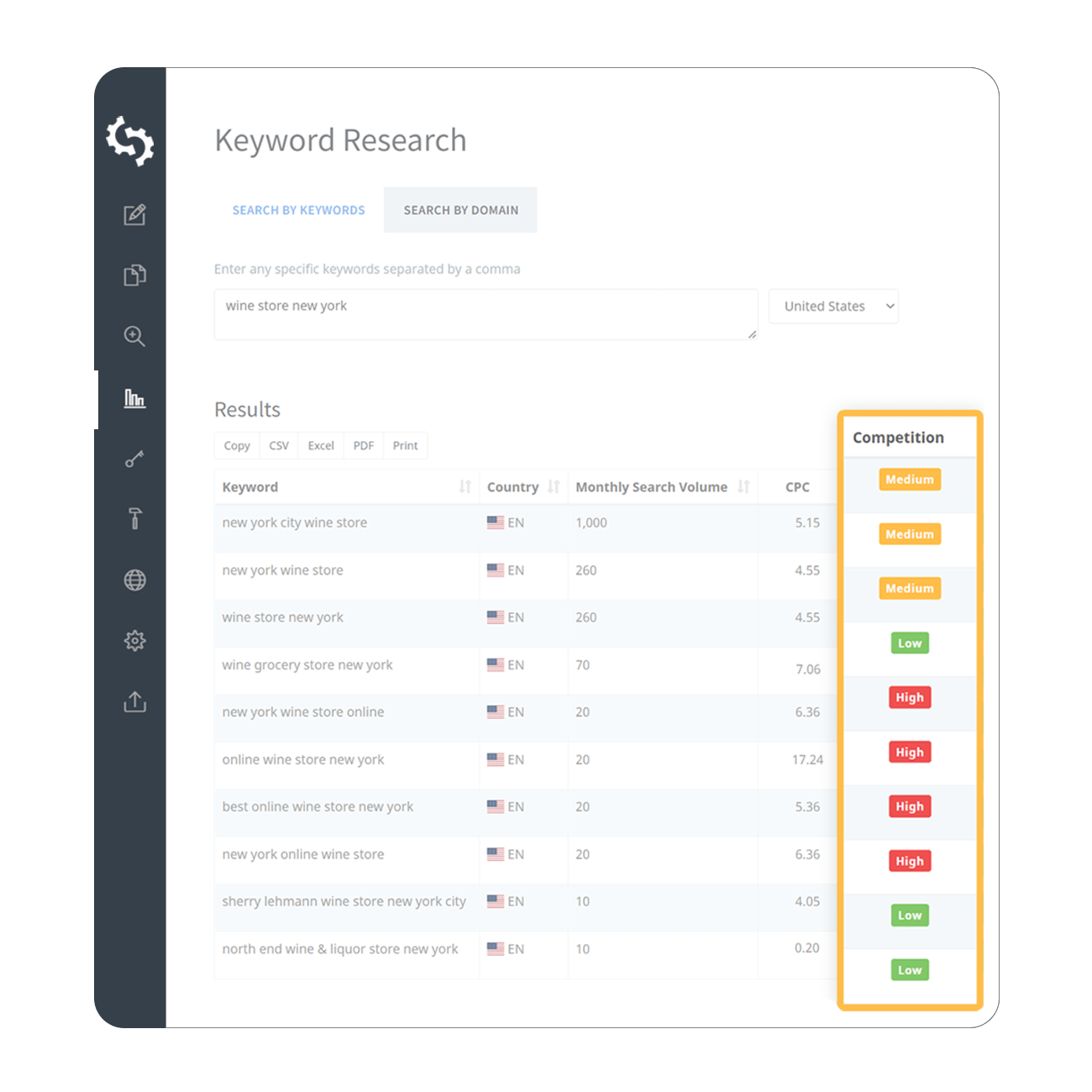
Lo strumento cerca le parole chiave per le quali abbiamo rilevato il dominio fare offerte su Google Ads, ordinate in base al traffico che ciascuna probabilmente genera. Inserisci un concorrente per visualizzarne la strategia oppure il tuo dominio per esaminarla.
Nessuno al di fuori di un inserzionista può vedere il suo account attivo, quindi questi dati provengono dal nostro indice e non da un elenco aggiornato delle offerte. Le campagne vengono messe in pausa, i budget si esauriscono e il targeting varia in base alla località: interpreta questi dati come il profilo di una strategia.
Cosa fare dopo
I dati a pagamento sono più utili se affiancati al quadro organico, quindi un’analisi dei competitor PPC si integra naturalmente con il resto di questi controlli. Confrontali con i
posizionamenti organici detenuti dallo stesso dominio, amplia qualsiasi termine promettente con il
generatore di parole chiave e verifica se la tua pagina segnala effettivamente i termini per cui stai pagando utilizzando lo strumento
densità delle parole chiave.